Louisville Cityscape: A Blend of History, Architecture, and Neighborhood Identity
Posted by on
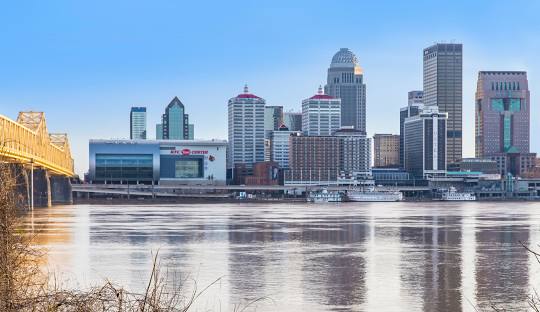
Downtown Louisville sits just south of the Ohio River and southeast of the Falls of the Ohio, serving as the city’s primary business hub. Major roads radiate outward from the downtown area, connecting the city to residential, industrial, and suburban districts. Key landmarks include the KFC Yum! Center, a 22,000-seat arena completed in 2010, and twelve of Kentucky’s fifteen buildings taller than 300 feet. Industrial zones lie south and west of the airport, while residential neighborhoods extend southwest, south, and east of downtown. Another commercial and industrial district is located along Hurstbourne Parkway in the suburban east.
Louisville’s architecture blends historic and modern styles. The Old Louisville neighborhood is the largest historic preservation district in the U.S. dedicated to Victorian architecture and the third-largest of its kind nationwide. Downtown’s West Main Street showcases the nation’s largest collection of cast iron facades outside of New York’s SoHo, while modern skyscrapers and preserved structures like the Southern National Bank building punctuate the skyline.
Since the mid-20th century, the city has often been informally divided into three areas: the West End, South End, and East End. The West End, historically associated with African American communities, is now more diverse than perceptions suggest. The South End has a long-standing reputation as a predominantly working-class area, while the East End is recognized for its middle- and upper-class neighborhoods. Real estate trends reflect these divisions: homes in the West and South Ends tend to have lower median prices, middle-range prices are found between Interstates 64 and 65, and the highest values are north of I-64 in the East End. Louisville’s immigrant communities also show regional settlement patterns, with Southeast Asian immigrants concentrated in the South End and Eastern European immigrants in the East End.
The cityscape of Louisville is a dynamic mix of history, culture, and urban development, where the past meets the present in architecture, neighborhood identity, and economic diversity.