Chicago’s Public Art and Climate: Culture Meets the Elements
Posted by on
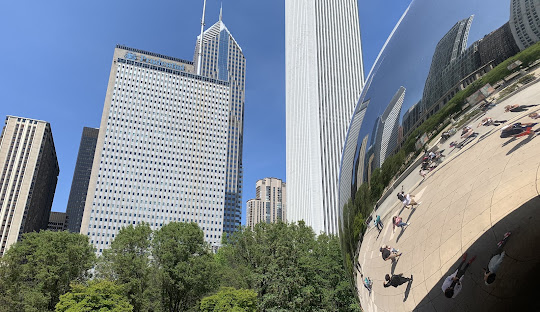
Chicago is celebrated worldwide for its outdoor public art, with a legacy of philanthropy supporting monuments as early as 1905 through the Benjamin Ferguson trust. The city features works by modern figurative artists such as Marc Chagall’s Four Seasons, the Chicago Picasso, Joan Miró’s Chicago, Alexander Calder’s Flamingo, Claes Oldenburg’s Batcolumn, Henry Moore’s Large Interior Form, Jean Dubuffet’s Monument with Standing Beast, Magdalena Abakanowicz’s Agora, Anish Kapoor’s Cloud Gate, and Plensa’s Crown Fountain. Iconic fountains, including Buckingham Fountain by Burnham and Bennett, add to the city’s monumental landscape. Many pieces commemorate pivotal moments in Chicago’s history, from the Great Northern Migration to the statehood centennial. These works draw millions of visitors each year, making art an integral part of the city’s identity.
Chicago experiences a hot-summer humid continental climate (Köppen Dfa), with four distinct seasons. Summers are hot and humid, with average July temperatures of 75.4 °F (24.1 °C) and frequent heat waves, while lakefront areas often remain cooler. Winters are cold and snowy, occasionally producing blizzards and extreme cold events, such as the polar vortex in January 2019, which nearly broke the city’s −27 °F (−33 °C) record. Spring and autumn are mild and brief, with low humidity. The city receives an average of 38 thunderstorms annually, sometimes severe, with hail, damaging winds, and rare tornadoes, including the F4 Oak Lawn tornado of 1967.
Proximity to Lake Michigan influences both culture and climate. The lake moderates temperatures, keeping waterfront neighborhoods warmer in winter and cooler in summer. The urban heat island effect also contributes to milder nights and winters in the city compared to surrounding rural areas. Lake-effect snow is common during northeast winter winds, while shoreline and inland areas can experience different microclimates.
Chicago’s climate and public art combine to create a city of contrasts: extreme seasonal weather alongside some of the world’s most celebrated outdoor sculptures, contributing to the city’s reputation as both resilient and culturally vibrant.