Chicago Architecture: From Skyscrapers to Historic Neighborhoods
Posted by on
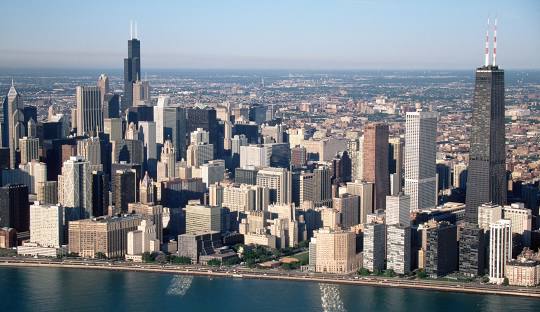
Chicago’s architectural legacy is world-renowned, shaped by innovation, resilience, and iconic design. The Great Chicago Fire of 1871 cleared space for the nation’s largest building boom, and in 1885 the Home Insurance Building rose as the first steel-framed high-rise, marking the birth of the modern skyscraper. Today, Chicago’s skyline is among the tallest and densest in the world.
The city is home to some of the Western Hemisphere’s tallest buildings, including the Willis Tower (formerly Sears Tower), Trump International Hotel and Tower, the Aon Center, and the John Hancock Center. The Loop features historic landmarks such as the Chicago Board of Trade Building, the Fine Arts Building, 35 East Wacker, and Mies van der Rohe’s 860–880 Lake Shore Drive Apartments. Legendary architects—including Daniel Burnham, Louis Sullivan, Charles B. Atwood, John Root, and Helmut Jahn—have left indelible marks on Chicago’s urban fabric. The Merchandise Mart, once the world’s largest building and possessing its own zip code until 2008, remains a symbol of the city’s commercial ambition.
Chicago has also been a center of architectural innovation through movements such as the Chicago School and the Prairie School. Residential neighborhoods feature a mix of homes, townhouses, condominiums, and apartment buildings. Brick bungalows built from the early 20th century through World War II are common outside the lakefront, and the city is a prominent hub of Polish Cathedral-style churches. Nearby Oak Park, the home of Frank Lloyd Wright, houses masterpieces such as the Robie House near the University of Chicago.
For visitors, architecture is more than just skyline views. Popular boat tours along the Chicago River showcase the city’s historic and modern designs, offering a unique perspective on Chicago’s architectural evolution. From towering skyscrapers to elegant residential neighborhoods, the city continues to define the skyline of modern urban America.